

You are reading Part 3 of our 12-part Veterinary Clinic and Animal Hospital Authority Series.
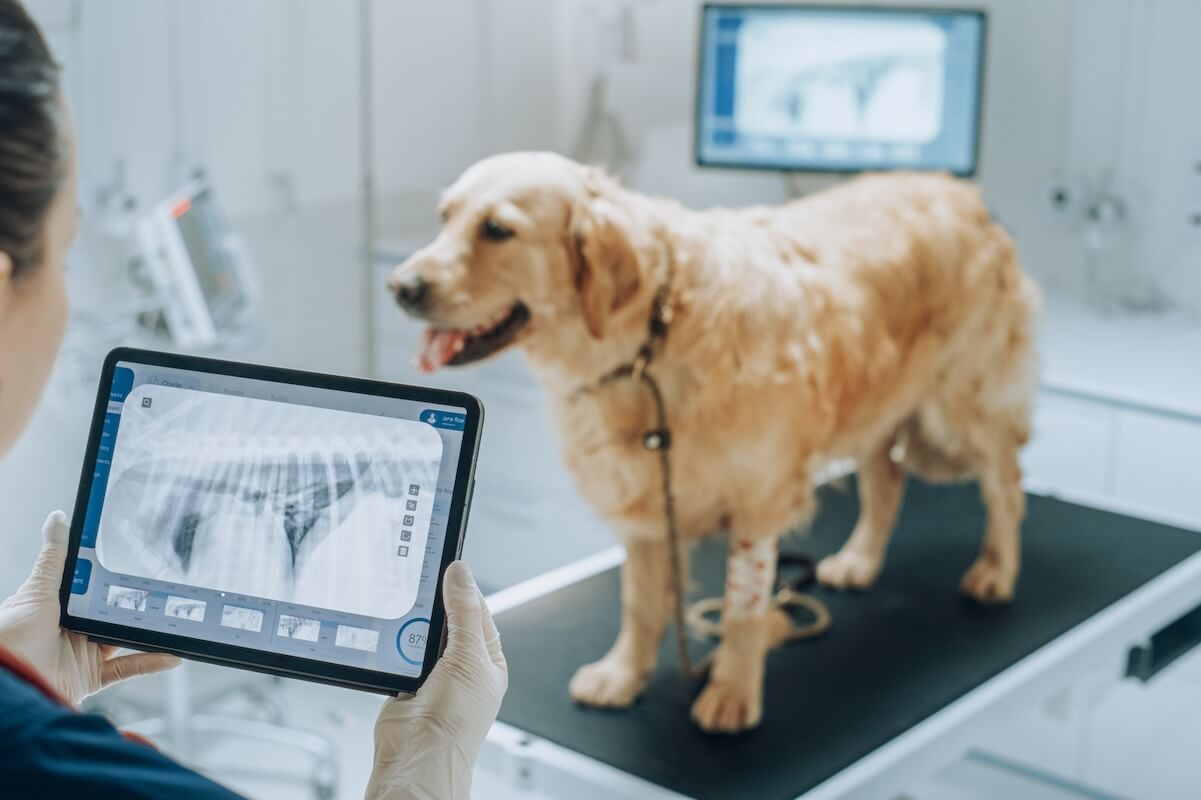
Veterinary imaging in the Permian Basin creates unique IT challenges. Clinics in Midland, Odessa, Big Spring, and Pecos often rely on:
- Large-animal X-ray systems
- Small-animal X-ray systems
- Dental imaging systems (Progeny)
- Multiple viewing locations
These systems generate large image files that must load quickly from exam rooms and hallways.
Imaging performance is directly tied to proper configuration of AVImark, Cornerstone, and IDEXX systems.
West Texas IT Consulting designs veterinary networks to support imaging vendors such as MinXRay and Progeny, ensuring images remain accessible even after server changes or infrastructure upgrades.
Why Veterinary Imaging Is Especially Demanding
Veterinary clinics often support:
- Large-animal and small-animal X-ray systems
- Dental X-ray systems
- Multiple viewing locations (exam rooms, hallways, treatment areas)
Imaging delays slow exams, frustrate staff, and disrupt patient care.
If imaging suddenly stops working, it’s often related to server issues. Here’s what to expect when a vet clinic server or imaging PC fails.
Supporting Imaging Vendors and Workflows
We regularly support imaging systems from vendors such as:
- MinXRay (large and small animal imaging)
- Progeny (dental X-ray systems)
This includes:
- Correct workstation configuration
- Server and folder mappings
- Network performance tuning
- Vendor coordination when issues arise
Preventing imaging disruptions requires proactive monitoring – learn how proactive IT reduces downtime in veterinary clinics.
Network Design for Imaging Performance
Imaging reliability depends on:
- Proper switch configuration
- Adequate bandwidth
- Stable server connections
- Correct scan-to-folder paths
When a server is replaced or removed, imaging workflows often break unless the network and mappings are updated correctly.
Real-World Example: Fixing Broken Imaging After a Server Change
After a clinic removed an old server from their network:
- Their scan-to-folder function stopped working
- Imaging systems could no longer save files correctly
We:
- Identified the broken mapping
- Remapped imaging destinations to the new server
- Tested scans to confirm reliable storage and access
This prevented data loss and restored normal imaging workflows.
Wi-Fi and Infrastructure for Real Clinics
Many veterinary clinics operate in buildings not designed for modern networks. We account for:
- Thick walls
- Long hallways
- Treatment and kennel areas
- Imaging workstations that cannot drop connections
Our designs focus on stability, not just signal strength.
Why Clinics Rely on Our Imaging & Network Expertise
Many veterinary clinics operate in buildings not designed for modern networks. We account for:
- Hands-on experience with veterinary imaging vendors
- Understanding of mixed large- and small-animal workflows
- Proactive monitoring and onsite support
- Monthly audits to ensure systems remain functional
- Local service throughout the Permian Basin
